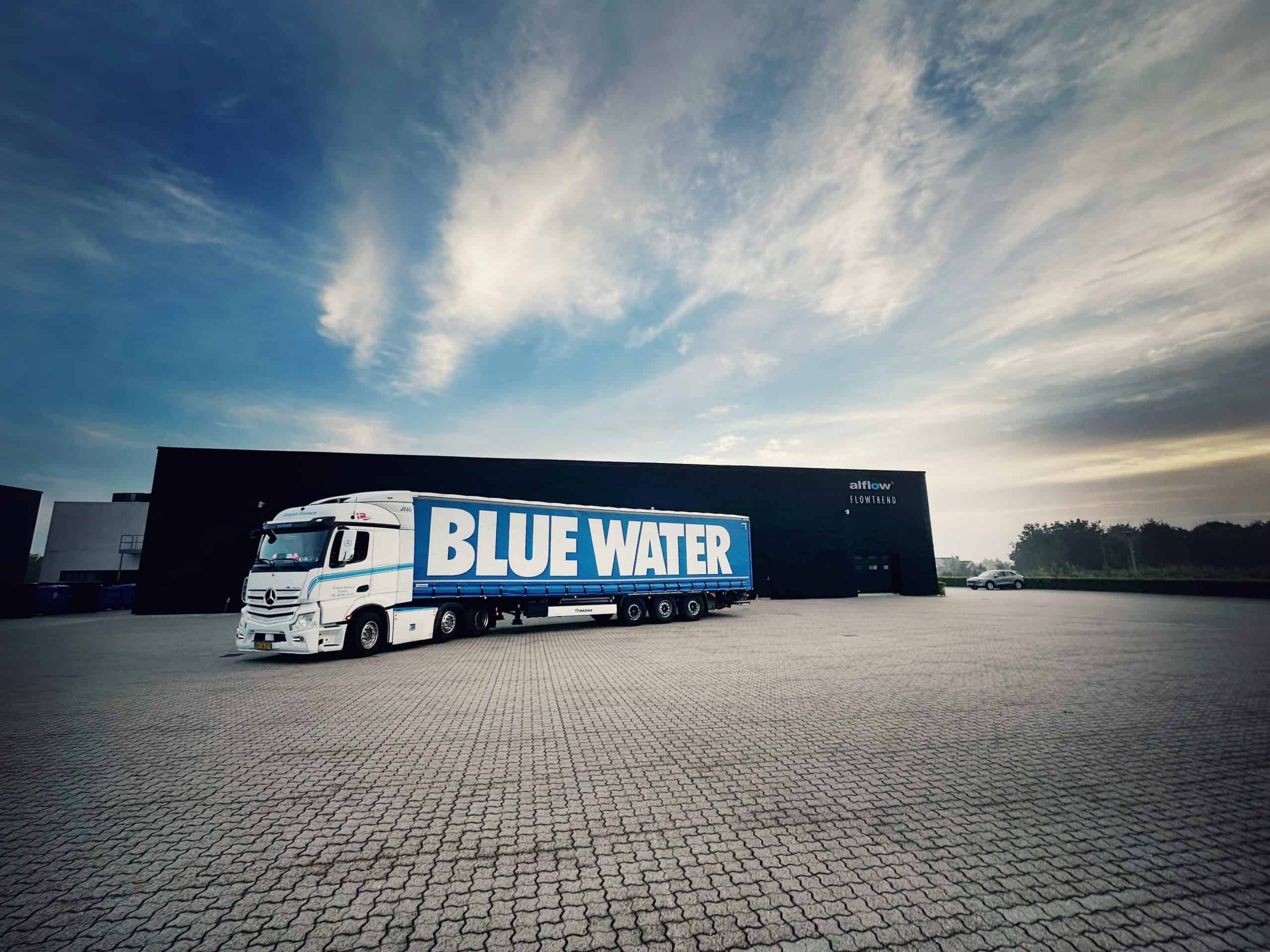
We have always known that transport affects the climate. Blue Water Shipping give us the data to document it and act on it.
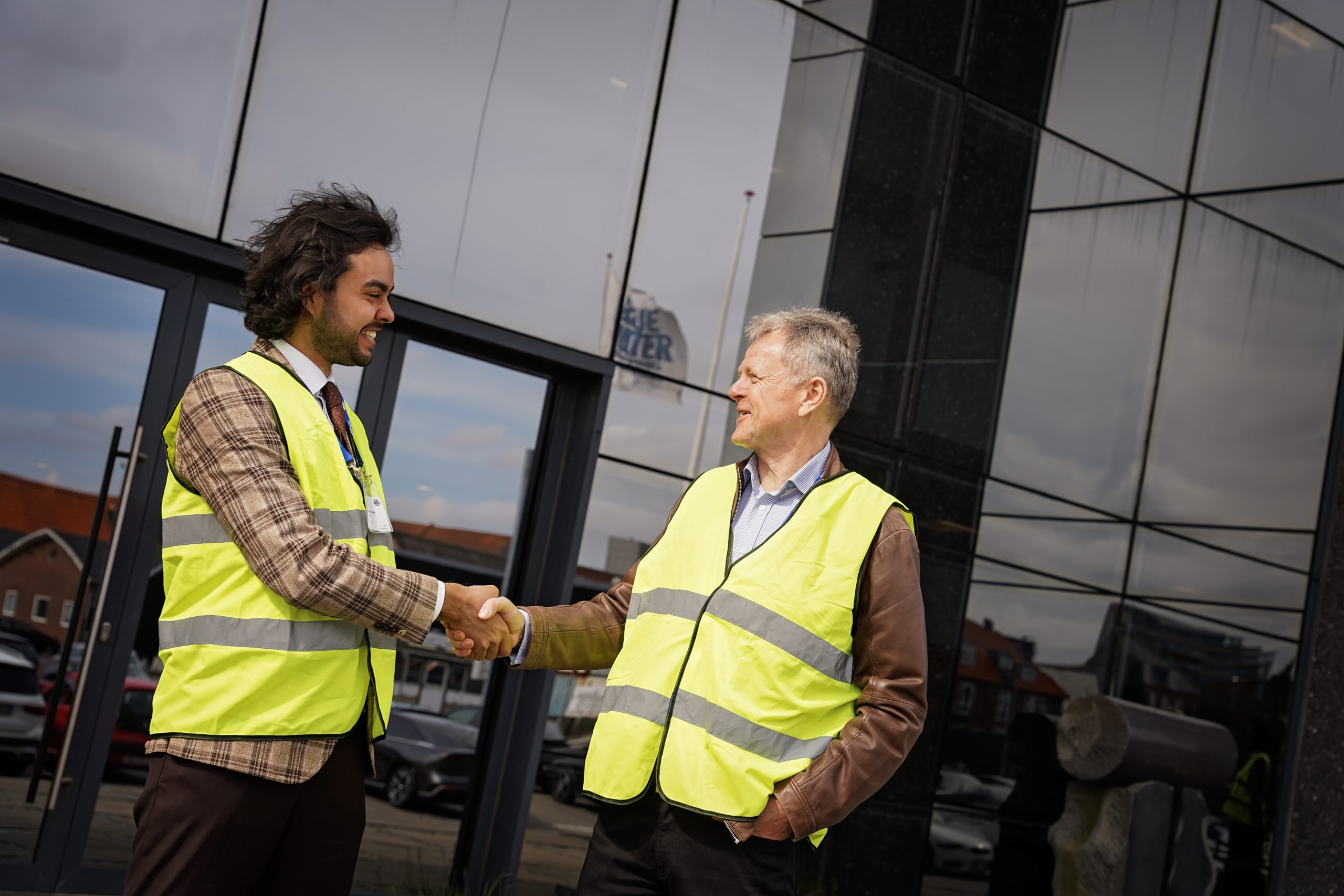
In the fresh sea air at Blue Water Shipping's (BWS) headquarters at Esbjerg Harbour, we meet Per Jakobsen, BDM Sustainable Solutions. He is a man who knows what he is talking about, and who has spent the last many years ensuring that BWS's ESG work is more than just words on paper.
"The ESG work we do has to make sense for us. There has to be something more to it than just being compliant.,” says Per.
Data that makes a difference
BWS is our freight partner, and through this collaboration we get access to specific CO2e data linked to each individual shipment. With a single click, we can now pull a complete overview of the CO2e footprint per supplier or customer, giving us a transparency in our transport-related emissions that we have not had previously.
It is an important step in our work with scope 3. When we get better data on transport, we also get a more precise basis for understanding, documenting and reporting on the emissions that lie outside our own walls, but which are still part of the value chain we are a part of.
Central to the collaboration is the possibility of CO2e offsetting per order. This means we can offer our customers documentation for and compensation of the CO2e footprint generated as part of the supply chain prior to our delivery.
For customers who are themselves subject to scope 3 reporting requirements, it is a concrete contribution to reducing their reported upstream footprint.
A trading partner
A concrete example of BWS not just talking about sustainability is the solar panel system that they are installing on their large warehouse buildings here by the port during the autumn, a system that will make them completely self-sufficient in electricity. They also require their own transport partners to use responsible energy sources. For them, ESG work does not stop at their own walls. We recognise that in our daily work. BWS is not a partner that merely answers our questions
– they ask them themselves. And they appreciate that we challenge them.
”Alflow is one of those who really helps to challenge us in what we do. It's great that we are being pushed on all fronts.” Says Per.
The challenge goes both ways. When we ask questions and push for how transport can be better optimised and documented, it helps give BWS insight into what the market needs. Per describes this as a partnership in sparring that they greatly appreciate, because it helps them refine their solutions in the right direction. For us, it means that we are not just a passive customer in the value chain, but actively help to set the direction. When we work with partners who both share the ambition and see the opportunities in responsible development, ESG becomes more than just reporting.
It will become part of the way we do business.