
Equilibar
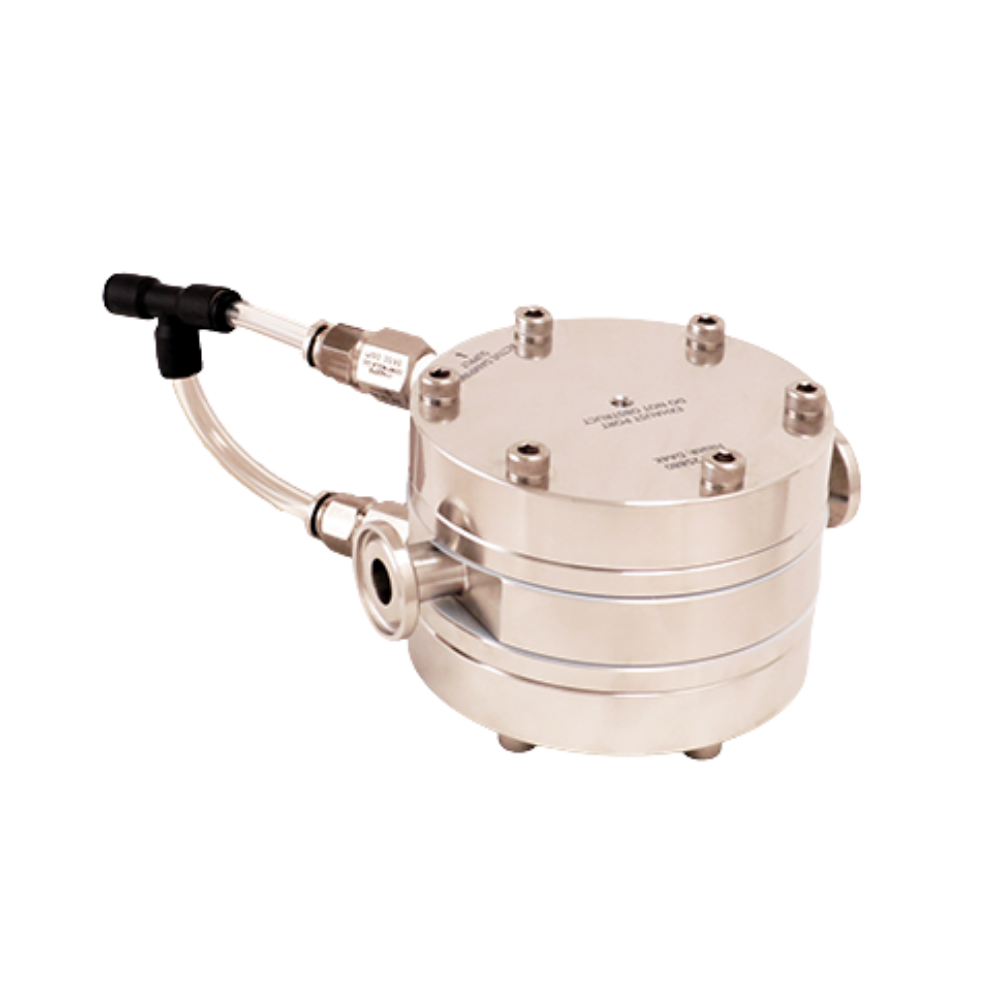
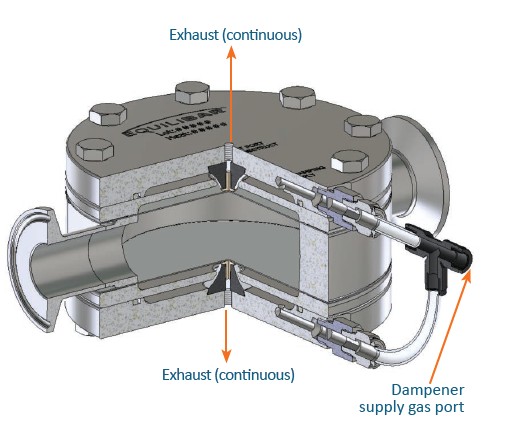
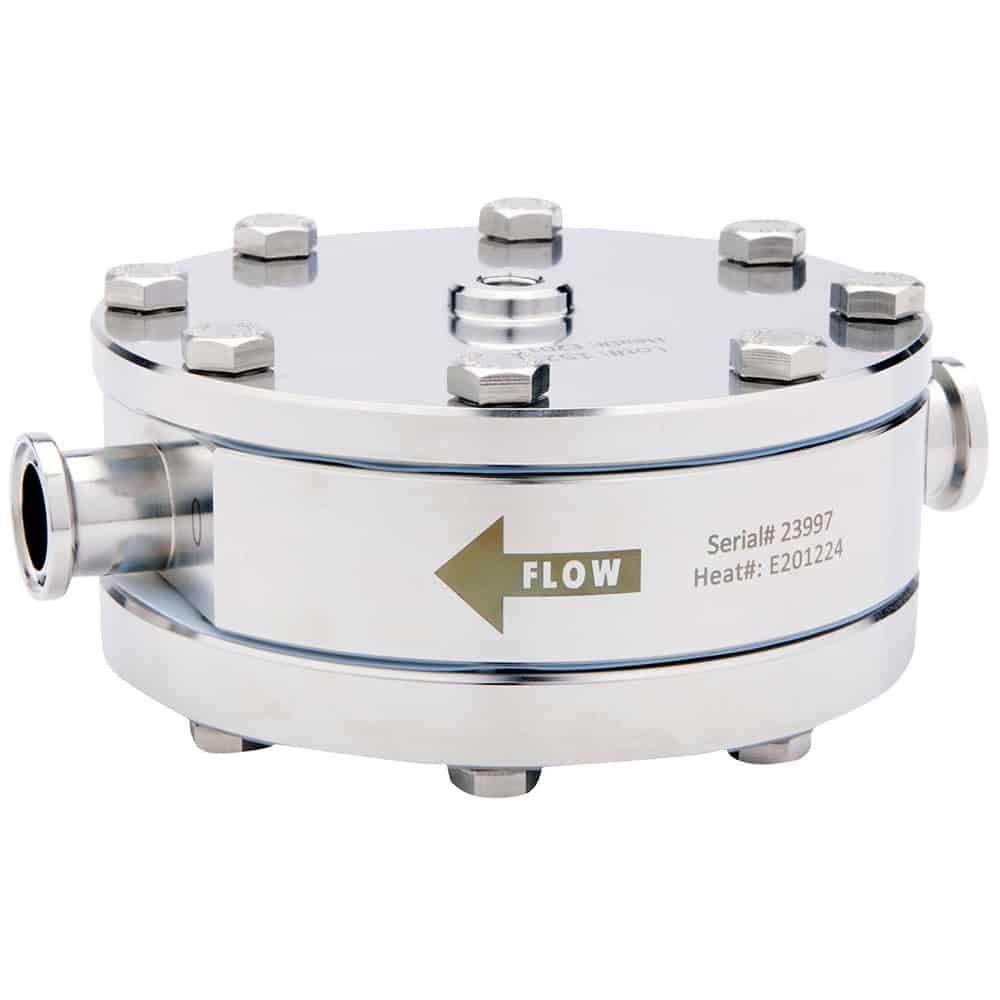
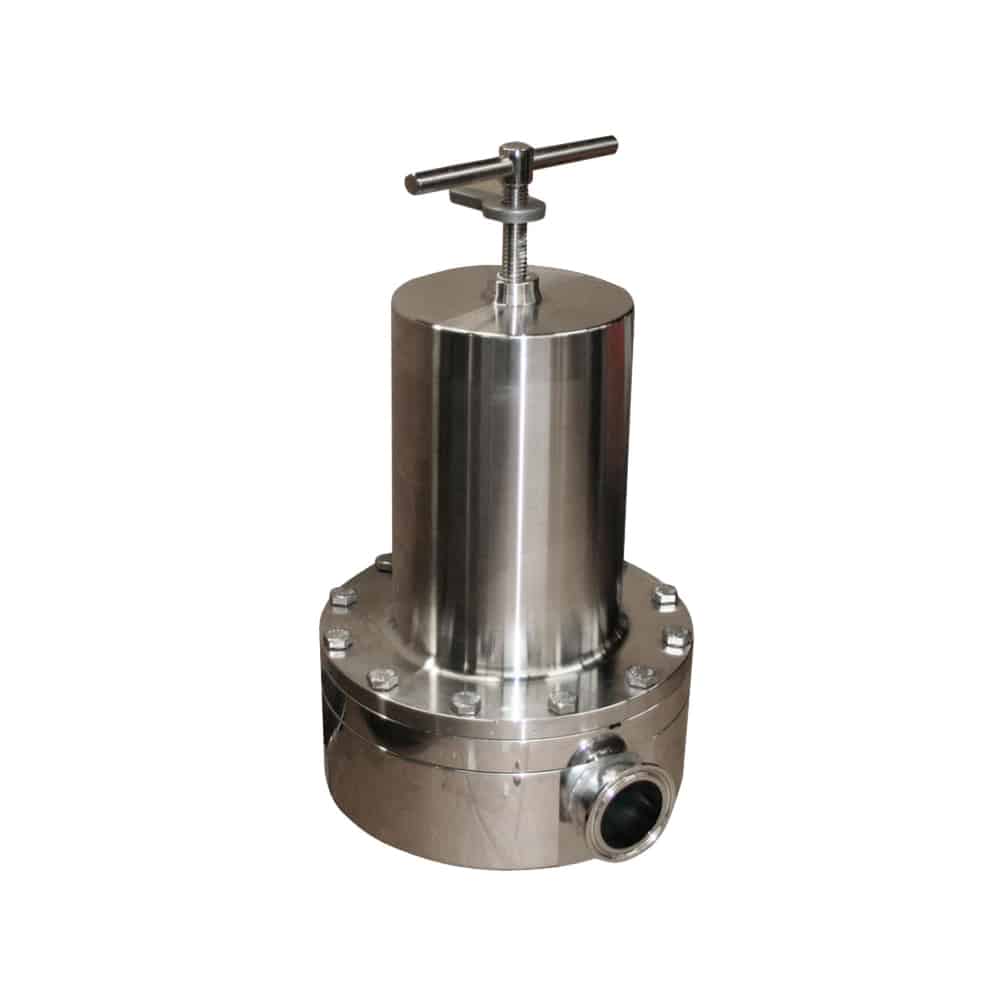
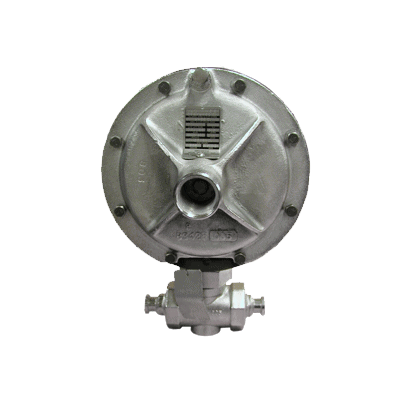
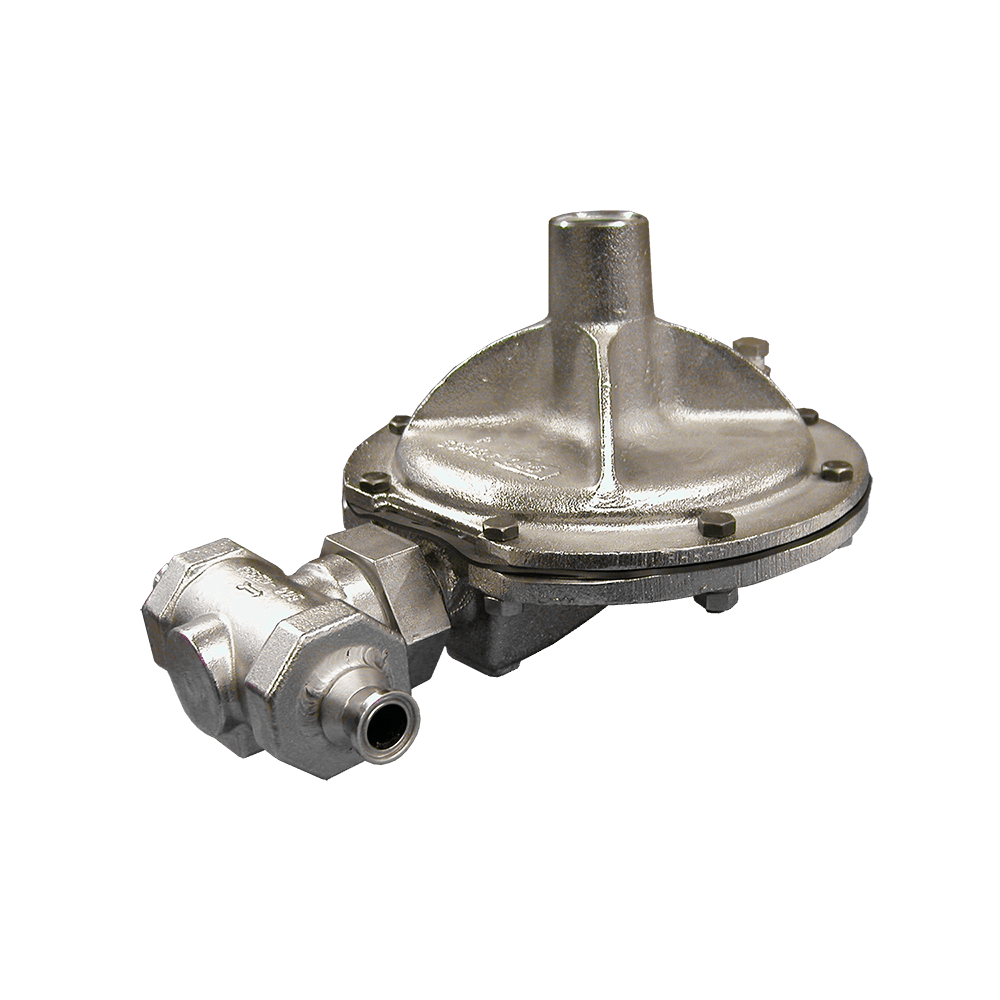
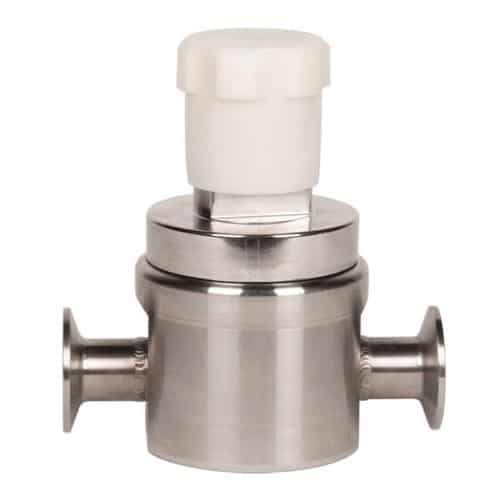
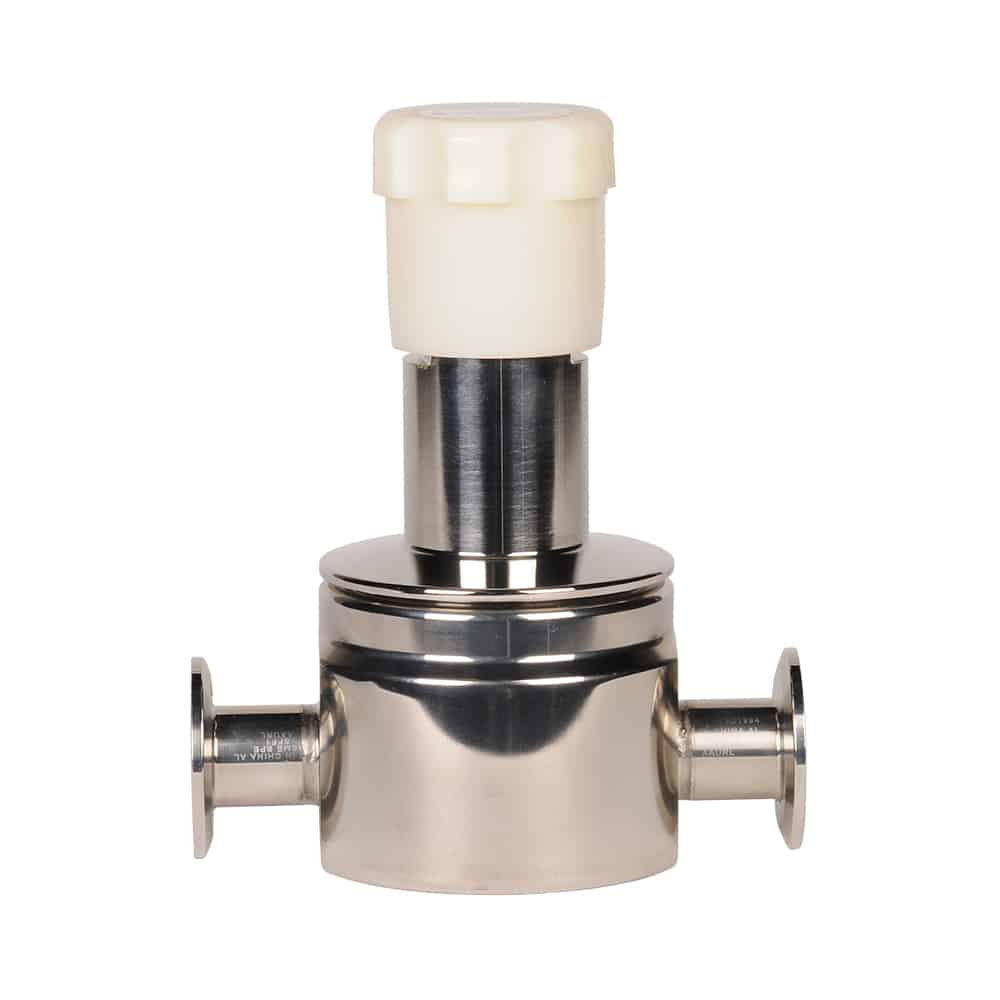
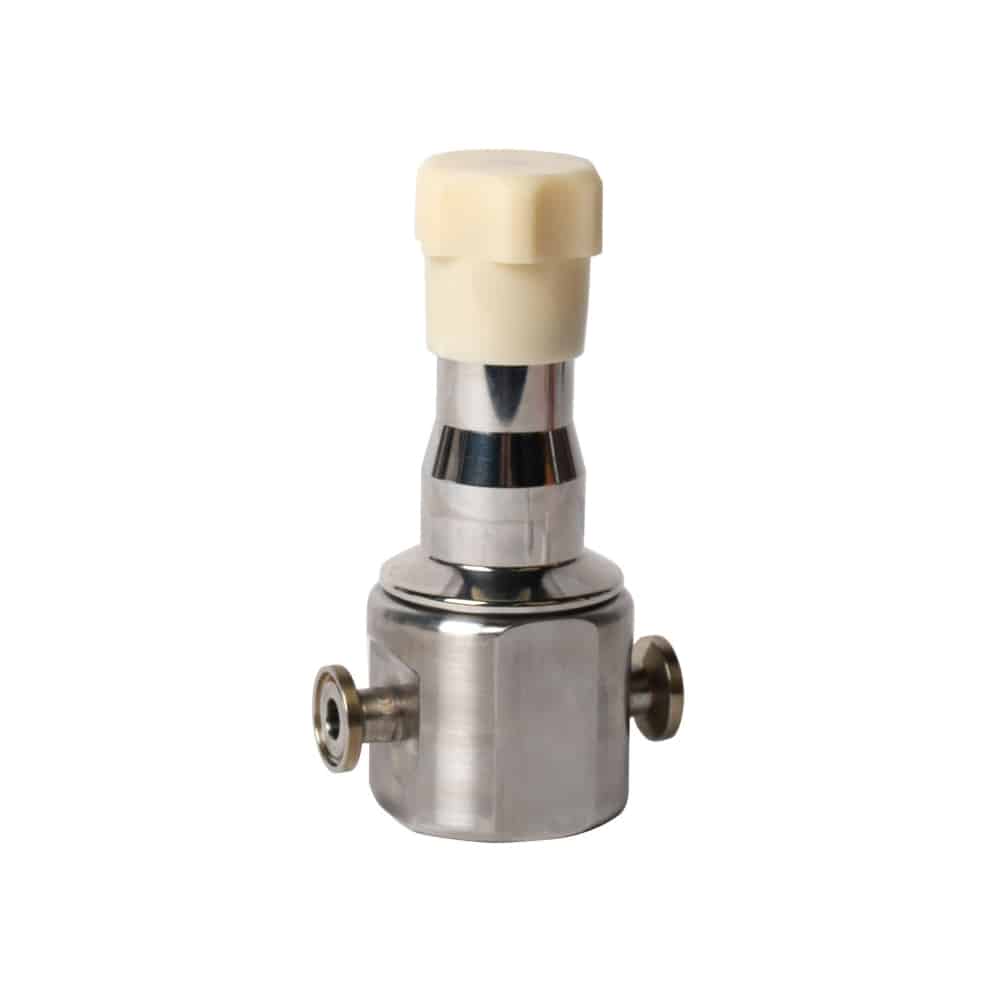
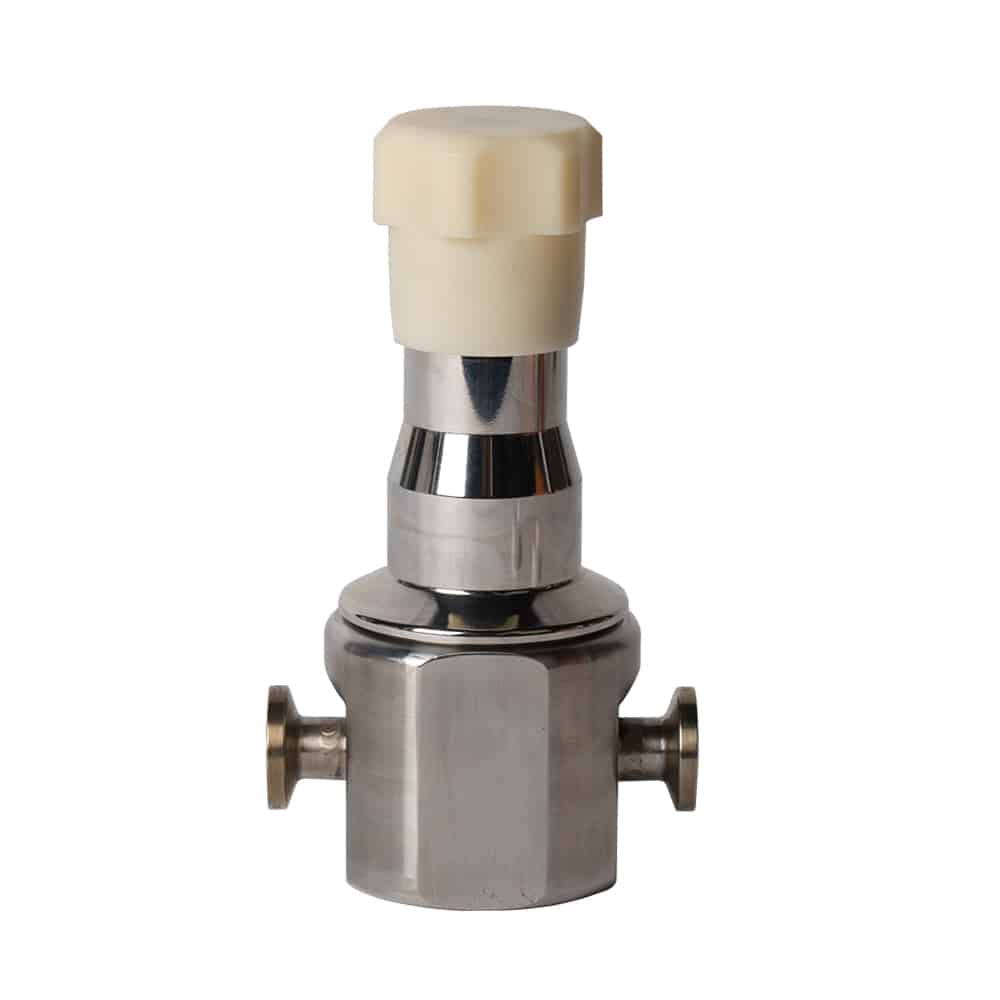
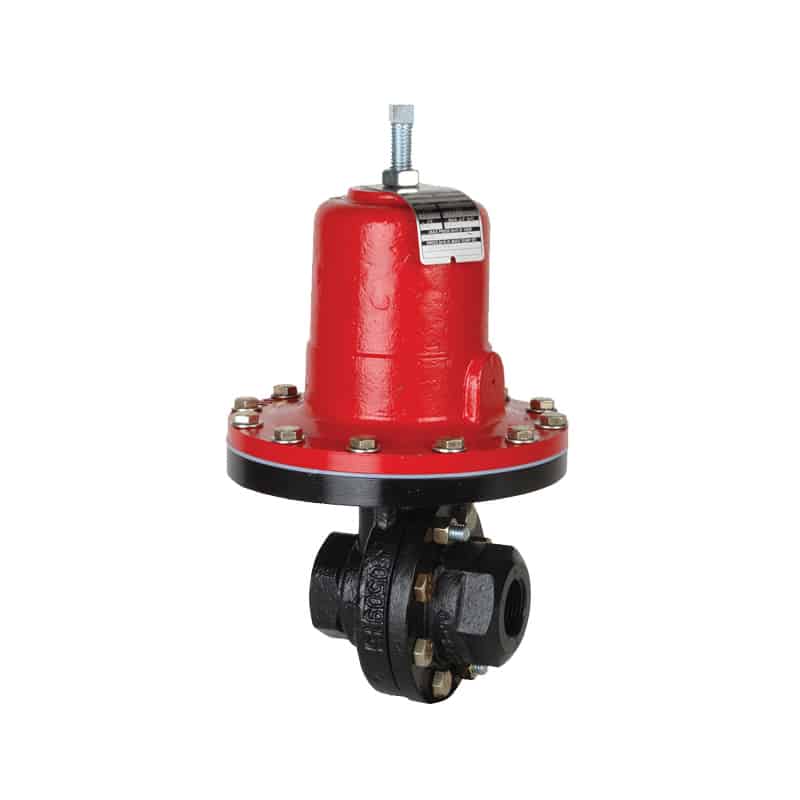
Sanitary Pulsation Dampener
Designed to reduce pressure fluctuations caused by positive displacement pumps and other process equipment. Meets the stringent hygienic requirements for pharmaceutical applications
- Extends the lifespan of filtration membranes and chromatography columns
- Improves cell viability and reduces shear-related cell damage
- Promotes uniform stoichiometry and process conditions
- It improves the overall process yield
- Provides a smoother and more stable flow to downstream equipment
Produktnummer:
Certificates
Can be supplied with a documentation package containing the following certificates, among others. Please feel free to contact us if you have any questions.

ADIF
ASME GHP
EN10204-3.1
FDA
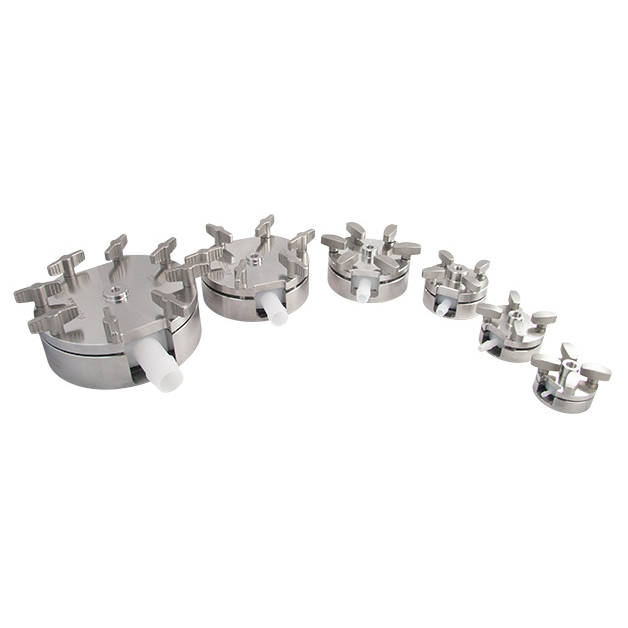
Variants
| Variant | Description | Datasheet | |
|---|---|---|---|
|
|
PD2 | 1/4" |
|
|
|
PD3 | 3/8" | |
|
|
PD4 | 1/2" | |
|
|
PD6 | 3/4" | |
|
|
PD8 | 1" | |
|
|
PD12 | 1½" | |
|
|
PD16 | 2" | |
|
|
PD24 | 3" |
Do you have questions or need help finding the right solution for your process?
Please contact us for more information.

Jacob Sommerlund
Area Sales Manager - Pharma & Biotech - Multi-Use Solutions DK

Mathias Haahr Vester
Junior Sales Engineer - Pharma & Biotech - Multi-Use Solutions DK

Daniel Dam Christophersen
Sales Engineer – Pharma & Biotech – Single-Use Solutions DK

Christian Johansen
Product Manager

Contact
Contact a specialist for more information
Please contact us if you need help or advice, or if you would like to find out more about our Equilibar valves.
