Steady flow, gentle operation and peace of mind in the system

– therefore many choose a screw pump

Stable flow, gentle operation and peace of mind in the system – that is why many choose a screw pump

When advising clients in the pharma, food and process industries, we frequently hear about the same three challenges:

  • Uneven flow that can disrupt dosing and process stability
  • High shear, which can affect product quality
  • Noise and vibration that can put a strain on both equipment and the working environment

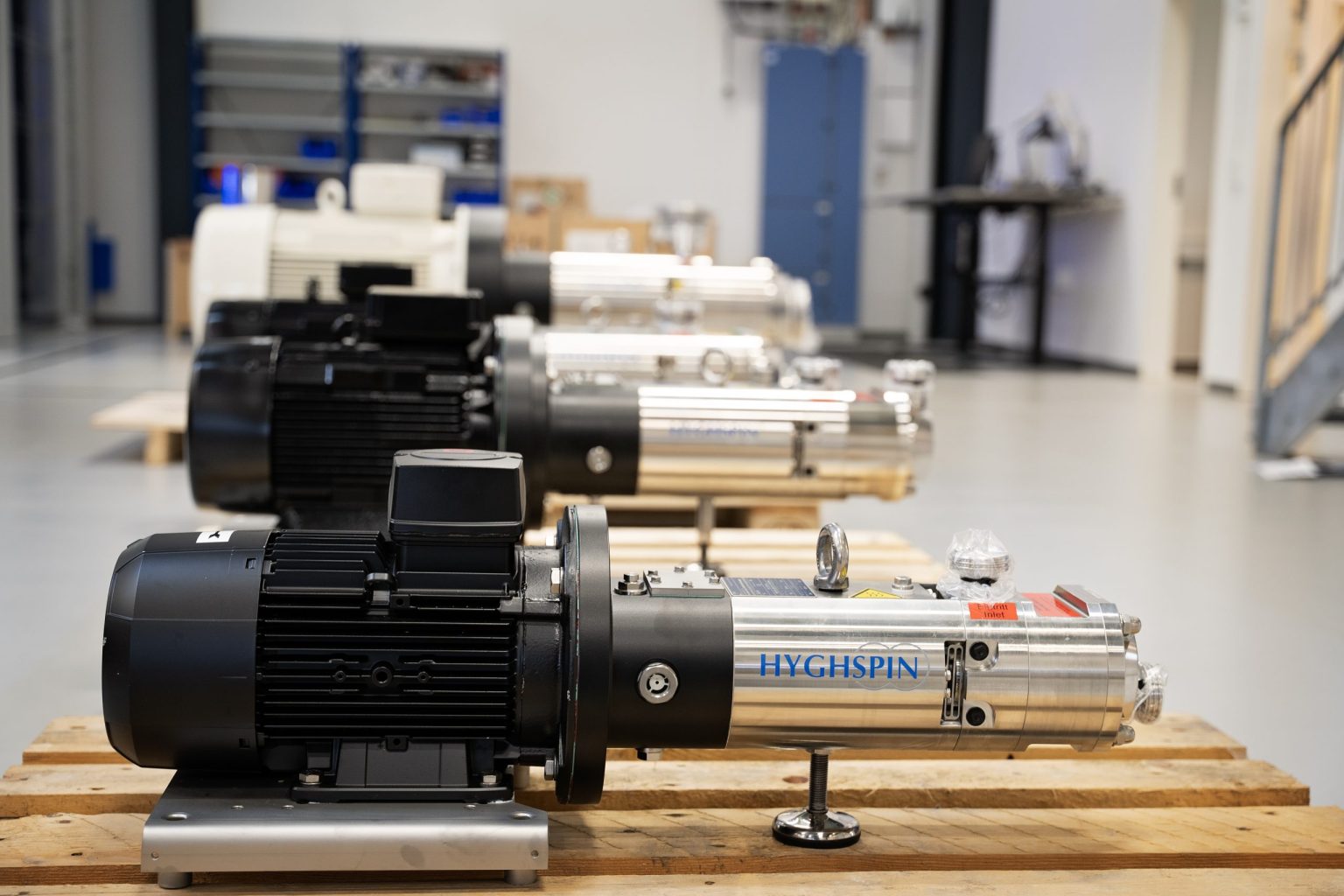
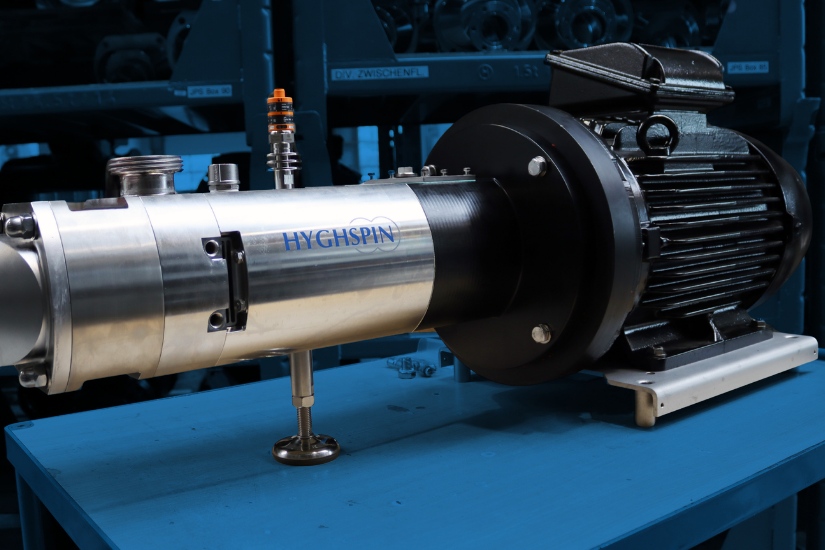
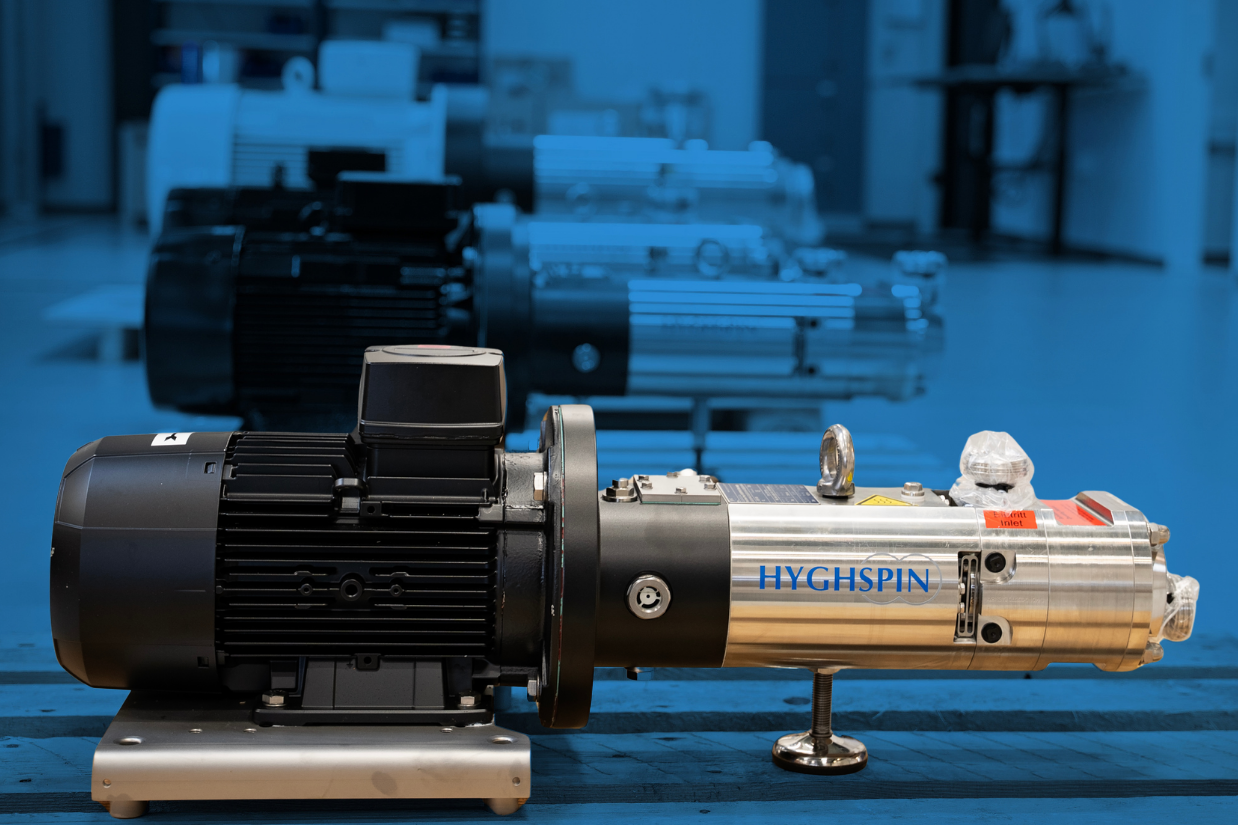
Here we delve into why the challenges arise – and how a twin-screw pump like the Hyghspin from Jung can be a solution in the right applications.

Jungheinrich pump truck in the warehouse

1. Pulsations – when the flow becomes uneven

Positive displacement pumps, such as piston and diaphragm pumps, transport the medium in pulsating strokes. This can cause pressure and flow fluctuations in the installation and may lead to the need for pulsation dampeners, buffer tanks or additional control equipment.

Pulsations can make it more difficult to control the flow precisely, especially in connection with dosing, CIP and batch processes.

Hyghspin delivers a smooth flow – almost pulsation-free

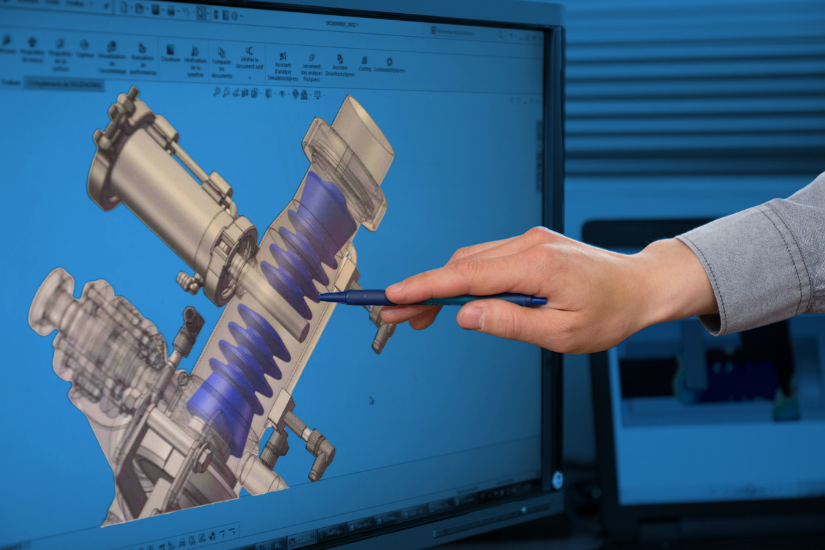
As a twin-screw pump, the Hyghspin transports the product axially through the pump in a controlled flow. The design provides a very smooth flow with minimal pulsation.

Depending on the rest of the installation, it can reduce the need for pulsation dampening and contribute to a simpler system design.

The low speed and controlled transport also make Hyghspin suitable for the gentle handling of many types of products. However, the specific impact on the product always depends on the characteristics of the product as well as the pump's rotational speed, differential pressure, and sizing.

2. Shear – when the pump affects the product

Shear stress – also known as shear – occurs when different layers within the medium move at different speeds. This creates shear stresses that can affect sensitive products.

The impact can be increased, amongst other things, by high rotational speeds, narrow gaps, turbulence and rapid changes in the direction of flow.

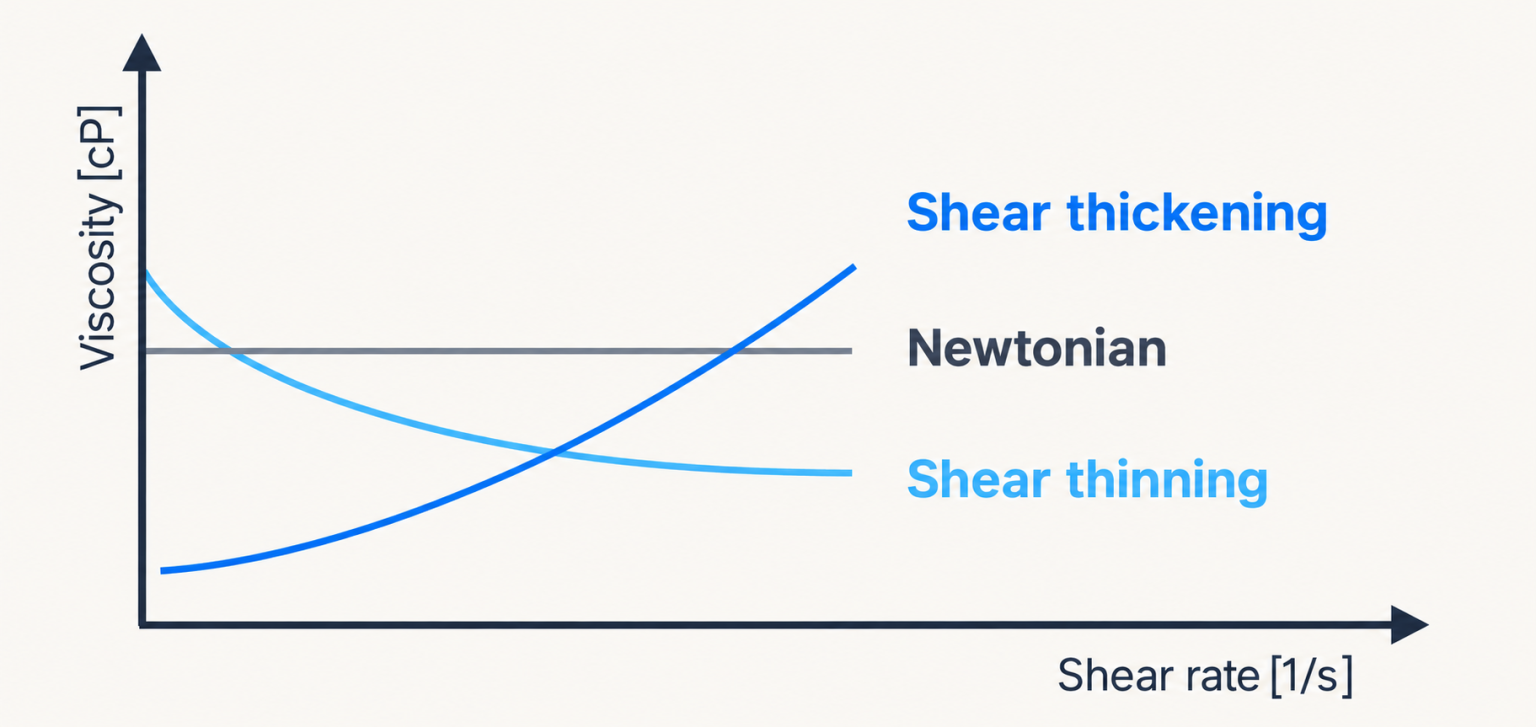
Media have different characteristics and are typically divided into 3 categories:

  • Shear thinning,
  • Newtonian and
  • Shear thickening.

Fluids change their viscosity when subjected to shear, as illustrated in the figure below. In shear thinning, the material becomes less viscous the more it is stirred or acted upon, such as paint and ketchup. In shear thickening, on the other hand, the material becomes more viscous as the shear rate increases, such as a mixture of cornflour and water. A Newtonian fluid has a constant viscosity regardless of how fast it is sheared, such as water and oil.

This can be a challenge in processes involving, for example, bacterial cultures, fats, proteins or structured foods.

In our experience, certain centrifugal and lobe pumps can, under specific operating conditions, subject the product to a higher mechanical load. In some applications, this can affect, for example, consistency, texture or product quality.


Hyghspin transports gently – with low mechanical stress

The design of the twin-screw pump provides controlled axial transport with low turbulence and relatively low internal mechanical stress.

This can be an advantage when handling sensitive products where the product's structure, consistency or other functional properties must be preserved.

For processes with high demands on product quality and uniformity, gentle conveying can therefore be a significant advantage.

“The strength of the Jung Hyghspin twin screw pump lies in the combination of high operational reliability, efficient fluid handling and a gentle pumping process – qualities that can be decisive for our customers” overall process economy.”

Baris Uyar
Product Manager

3. Noise and vibration – when operation can be felt

Uneven flow does not only cause pressure surges – it can also be felt and heard in the installation. Vibrations from the pump can propagate to pipework, motor mounts and foundations. This can contribute to increased noise, mechanical stress and wear, as well as a less pleasant working environment.

Hyghspin contributes to stable and smooth operation

The synchronised operation of the screws and the continuous flow limit pressure and flow variations. This can contribute to more stable operation with less vibration and mechanical stress in the installation. The actual noise and vibration impact naturally also depends on the motor, gearbox, piping, foundation and the rest of the installation.

Why many choose Hyghspin – in a nutshell

  • Almost pulsation-free flow – provides stable operation and good potential for precise flow control
  • Gentle product transport - low turbulence and controlled transport can be an advantage for sensitive products
  • Stable operation – the continuous flow can contribute to reduced vibrations and mechanical stress
  • High-viscosity flexibility – can handle both low- and high-viscosity, pumpable products depending on the model and configuration
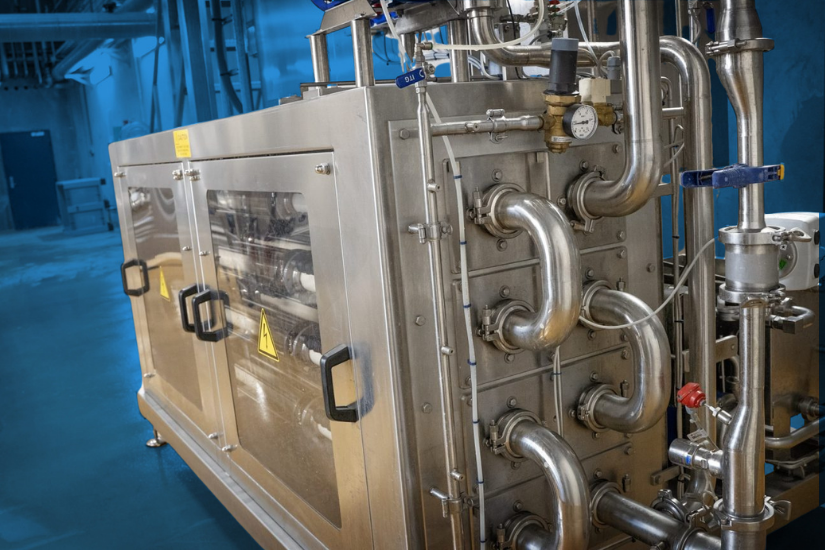
  • Hygienic design – developed for food, pharma and other hygienic applications as well as CIP/SIP cleaning

More stability, less complexity

When the flow is smooth, the product is handled gently, and operation is stable, our customers get better control over the process – and fewer issues surrounding the pump.

Hyghspin is not the solution for every pumping task. However, in the right processes, the combination of stable flow, gentle product transport, high viscosity flexibility and hygienic design can make a tangible difference.

Do you want to know if Hyghspin is also suitable for your process?

Are you curious to know whether a Hyghspin pump from Jung could be the right choice for your system? Then we would be happy to have a chat and share our experience with you.
BU
Baris Uyar
Product Manager