Vibration monitoring on pumps
- An important tool for a more reliable production
4 min
Vibrations in pumps can develop into serious operational problems
Vibrations in pumps and process plants are not necessarily something you notice immediately. They often occur gradually or only in specific operating situations, and precisely for that reason they can be difficult to identify before they have developed into a real problem.
Excessive vibration can be caused by cavitation, piping loads or other process imbalances, amongst other things. Whatever the cause, the consequence is often the same: increased stress on the pump's critical components.
Over time, vibrations can lead to increased wear on bearings, shaft seals and other mechanical parts. In some pump types, severe vibration can, in the worst case, cause contact between rotating parts and the pump casing, which can result in product damage, contamination or rejected batches.
Vibration monitoring of pumps enhances preventive maintenance
Therefore, more companies are choosing to integrate vibration monitoring as part of their preventative and scheduled maintenance.
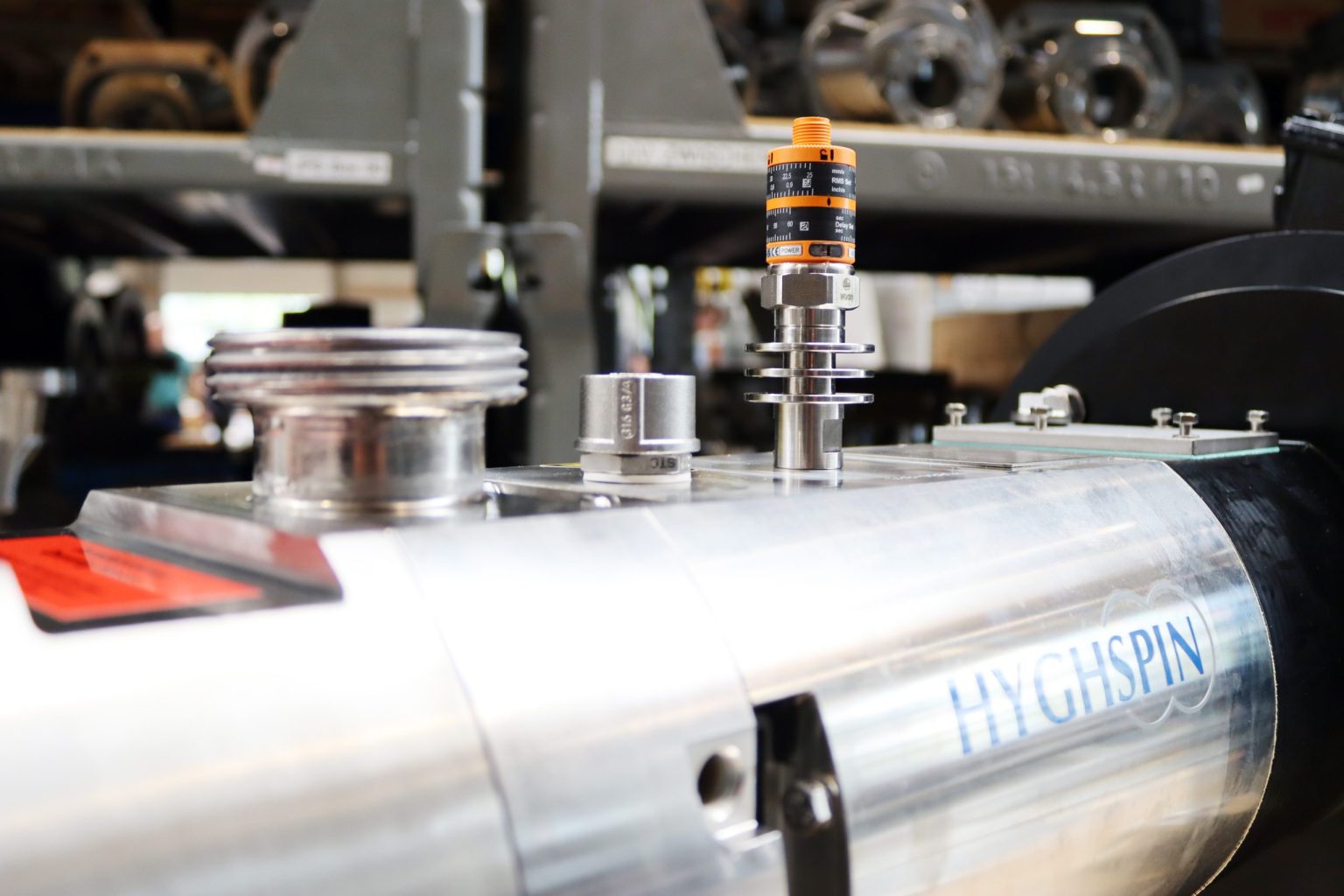
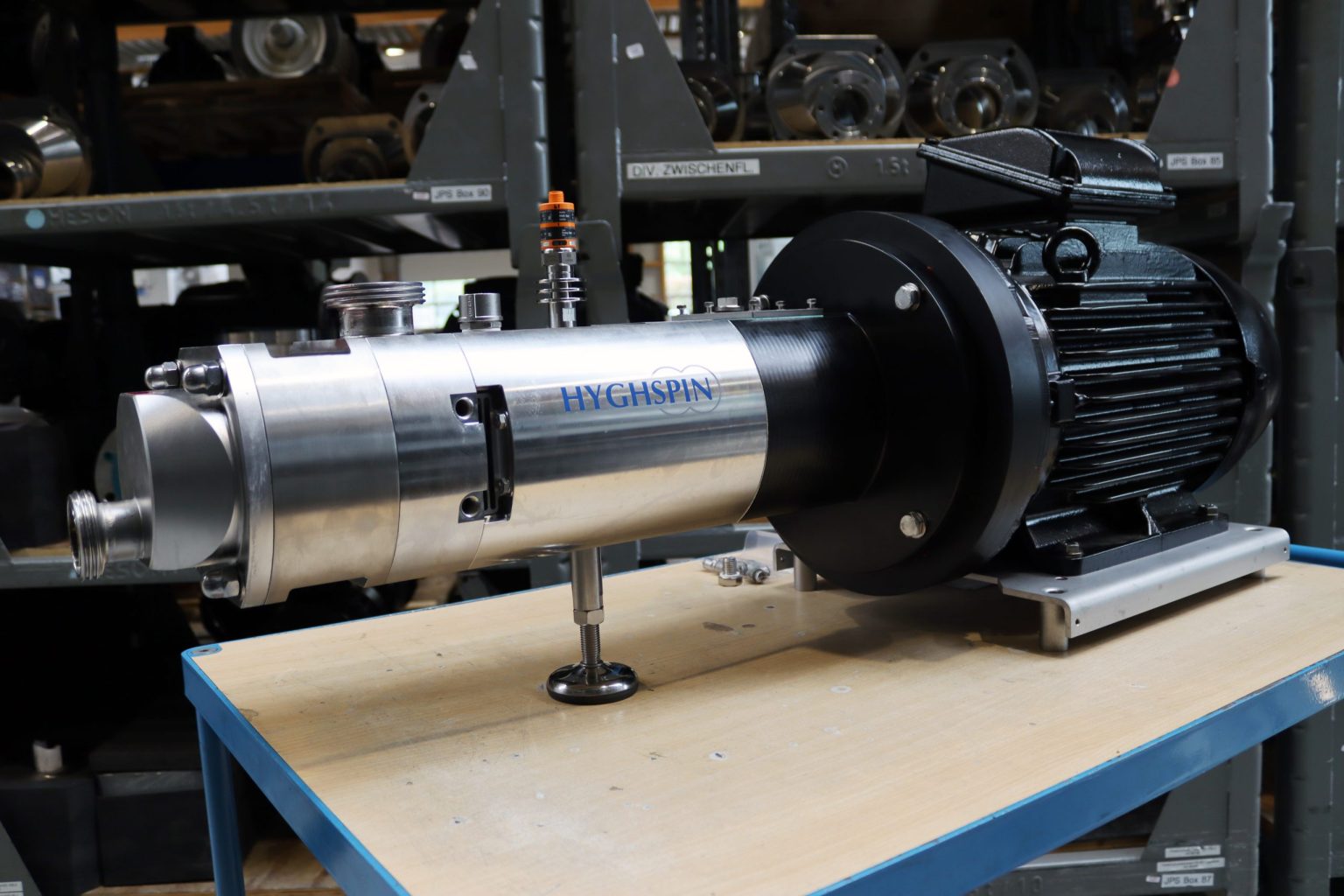
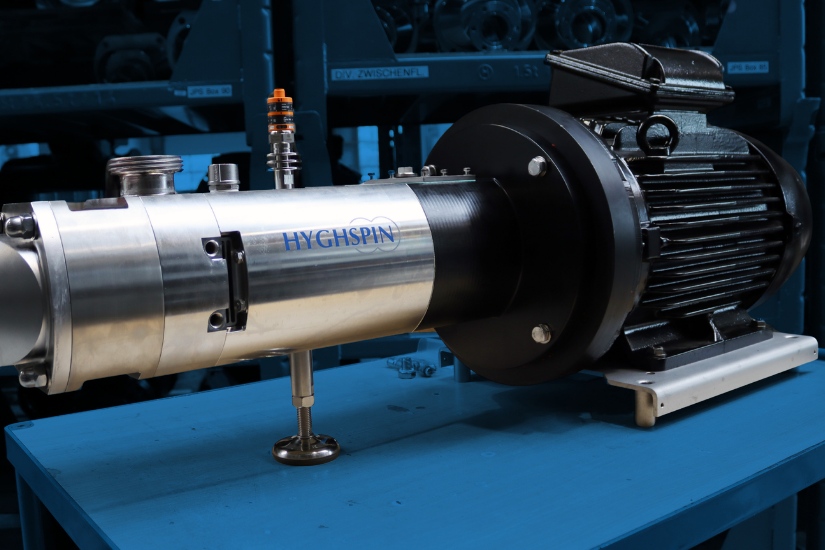
With a vibration sensor, the condition of the pump can be monitored continuously so that deviations from normal operation are detected early. This provides operations and maintenance with a far better basis for reacting before minor irregularities develop into costly breakdowns or unforeseen production stoppages.
Benefits of vibration sensors for pumps
The benefits include:
- Early detection of adverse operating conditions, such as cavitation
- Better protection of bearings, shaft seals and other critical components
- Ability to detect periodic issues, even when no staff are nearby
- Better basis for data-driven and planned maintenance
- Reduced risk of unplanned downtime, consequential damage in production and production waste
- Longer pump lifespan and more stable operation
Retrofitting vibration monitoring to existing pumps
An important advantage of vibration monitoring is that it is not only relevant for new pump installations. In many cases, the sensor technology can also be retrofitted to existing pumps without major changes to the system.
This makes the solution particularly interesting for companies that want to strengthen their maintenance strategy without necessarily replacing well-functioning equipment.
Vibration monitoring helps to identify faults in pump and process
During commissioning and routine monitoring, vibration levels can be used as an important indicator of the pump's operational condition. If elevated vibrations are detected, the cause should always be identified and eliminated. Often, the cause does not necessarily lie within the pump itself, but in the operating condition, pipework or the process surrounding the pump.
Vibration monitoring is therefore not only about protecting the pump. It is also about gaining better insight into the process, reacting more quickly to deviations, and creating more predictable operation.
For many manufacturing companies, this is precisely the difference between reactive maintenance and a more proactive maintenance programme.

"Vibration monitoring is not just about protecting the pump. It is also about gaining better insight into the process, reacting more quickly to deviations and creating more predictable operation."
Get advice on vibration monitoring of your pumps
Would you like to know more about the possibilities for vibration monitoring on your pumps?
At Alflow we help evaluate both process, pump and sensor solutions, so you get a solution that suits your plant and your maintenance strategy.
Want to hear more?