Recommended storage of gaskets and rubber components

Recommended storage of gaskets and rubber components

How to ensure long shelf life and high quality: Get Alflow's recommendations for proper storage of gaskets and rubber components according to ARP5316.

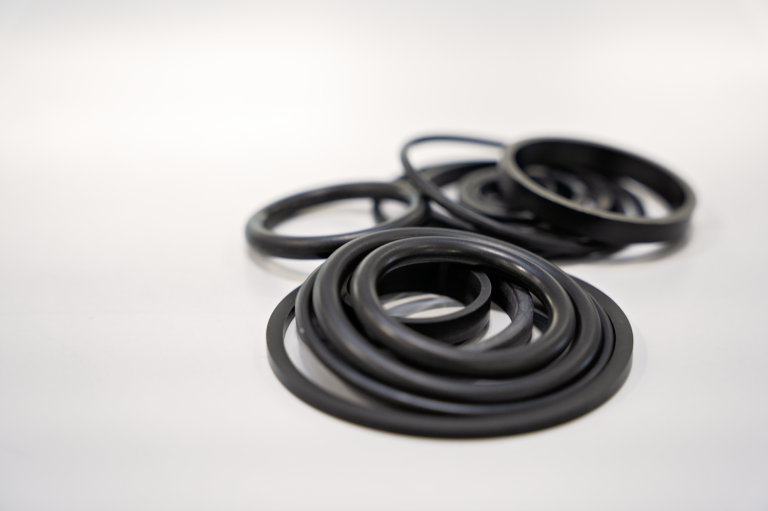
How to extend the lifetime of seals and rubber components

Gaskets may seem like small details. But when they fail, the consequences are often huge.

At Alflow, we take no chances when it comes to quality and documentation. That's why we store all gaskets and rubber components according to the recognised international standard ARP5316 - and we place the same demands on our suppliers.

Why is proper storage important?

Gaskets are exposed to temperature, moisture, light and oxygen - all factors that can degrade rubber properties over time. Whether it's O-rings, cuffs or special seals, one thing is true:

Proper storage extends service life - and increases reliability.

Our storage principles

We follow both ARP5316 and the manufacturer's own regulations. In our warehouse, this means:

  • Temperature never exceeds 35 °C
  • Humidity is kept below 75 %
  • Store the products out of direct sunlight
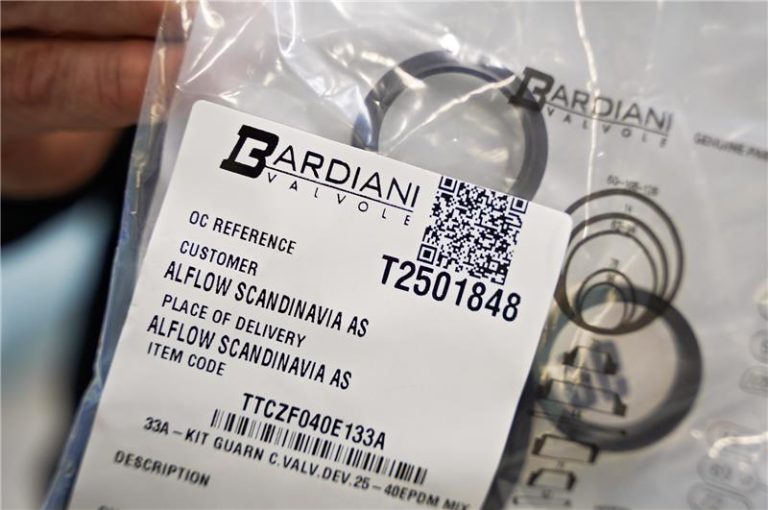
  • All seals are stored in food-grade zip-lock bags, which are protected from direct sunlight
  • Entrance control ensures standards are met

Durability and expiry - even if they look fine

Under ideal conditions, certain types of rubber can last for many years. However, at Alflow we never compromise. Therefore, we have a strict policy: gaskets must be a maximum of 10 years old, even if they have not been in use.

We document batch and shelf life - so you can always trust that what you receive is safe and traceable.

"We work according to documented procedures and consistently discard packs after 10 years - regardless of their condition. This is your guarantee of quality and traceability."

- Dina Stubbe, QA Manager, Alflow