CASE

Less intervention, less risk – smarter valve solutions

From replacing the springs every six months to inspecting them every two years. 

How can the risk of contamination from a component that is present almost 100 times in the same production facility be reduced? 

For a customer in the pharmaceutical industry, traditional spring-loaded check valves had become a time-consuming maintenance task. Although the valves were functioning, they required regular replacement of the springs to minimize the risk of breakage and potential contamination. 

In collaboration with Alflow, the customer found a solution that not only changed the maintenance routines but also eliminated the very risk of spring failure.
Case information
Customer Anonymous customer
Industry Pharmaceutical
Country Denmark
1126_Ygros_02
TASKS
When preventive maintenance becomes a comprehensive task The customer had a production facility with nearly 100 traditional check valves, all of which had springs. In pharmaceutical production, it is crucial to control potential risks of contamination. And it was precisely the springs in the traditional check valves that posed a risk. Over time, they can become subject to metal fatigue and, in the worst case, break. If this happens, metal fragments can be carried through the production facility and contaminate the product. The customer was aware of this risk and had therefore introduced a fixed maintenance routine, whereby all the springs were replaced every six months. It was a preventive solution, but it also required significant resources. Each maintenance intervention had to be planned and implemented, while at the same time time had to be allocated for handling spare parts, documentation, and quality control. The challenge was therefore not only to ensure the valves were resistant to defects, but to find a more long-term solution that could reduce both the risk and the recurring maintenance work.
THE SOLUTION

A springless design that removes the cause of the problem

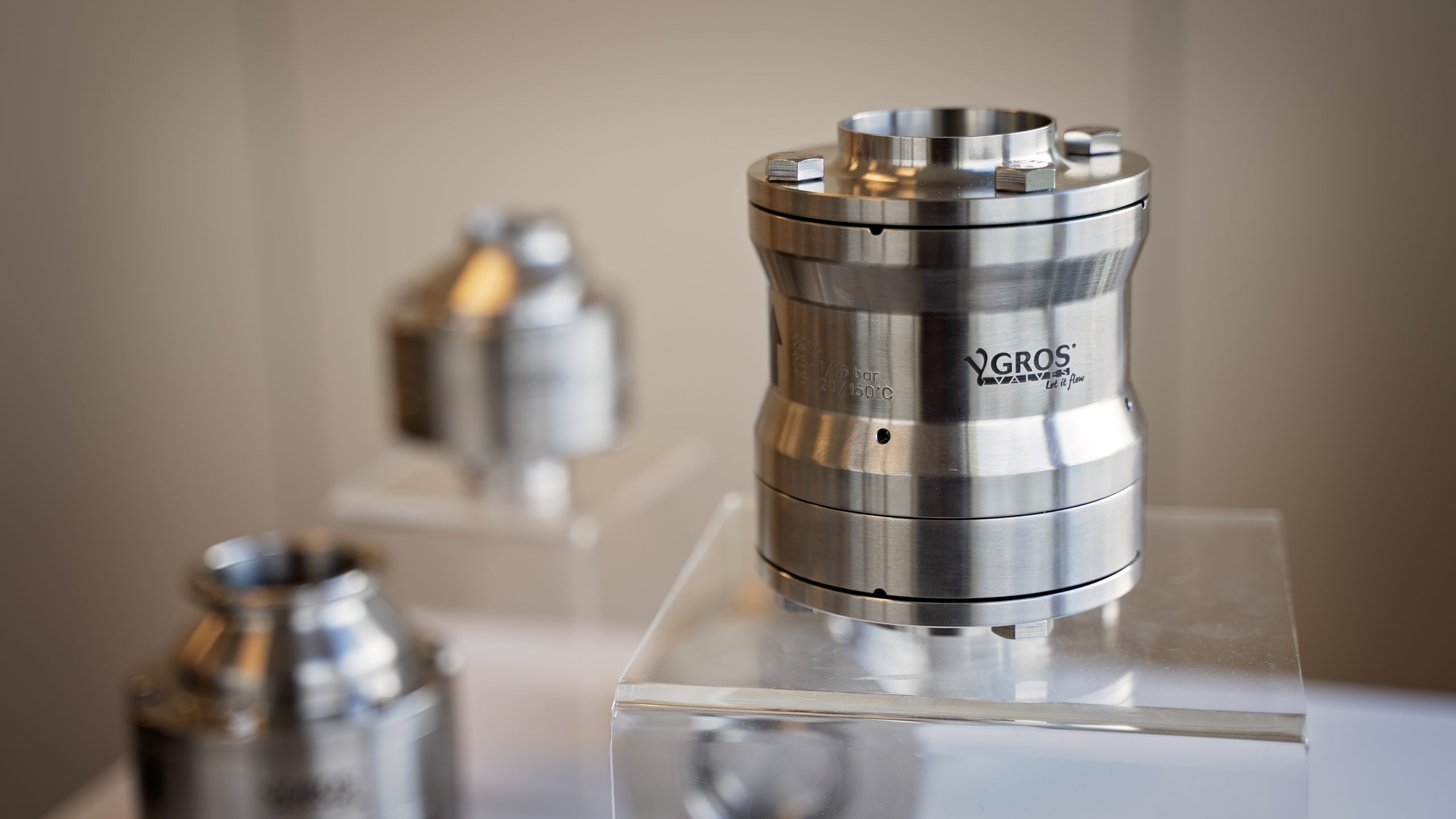
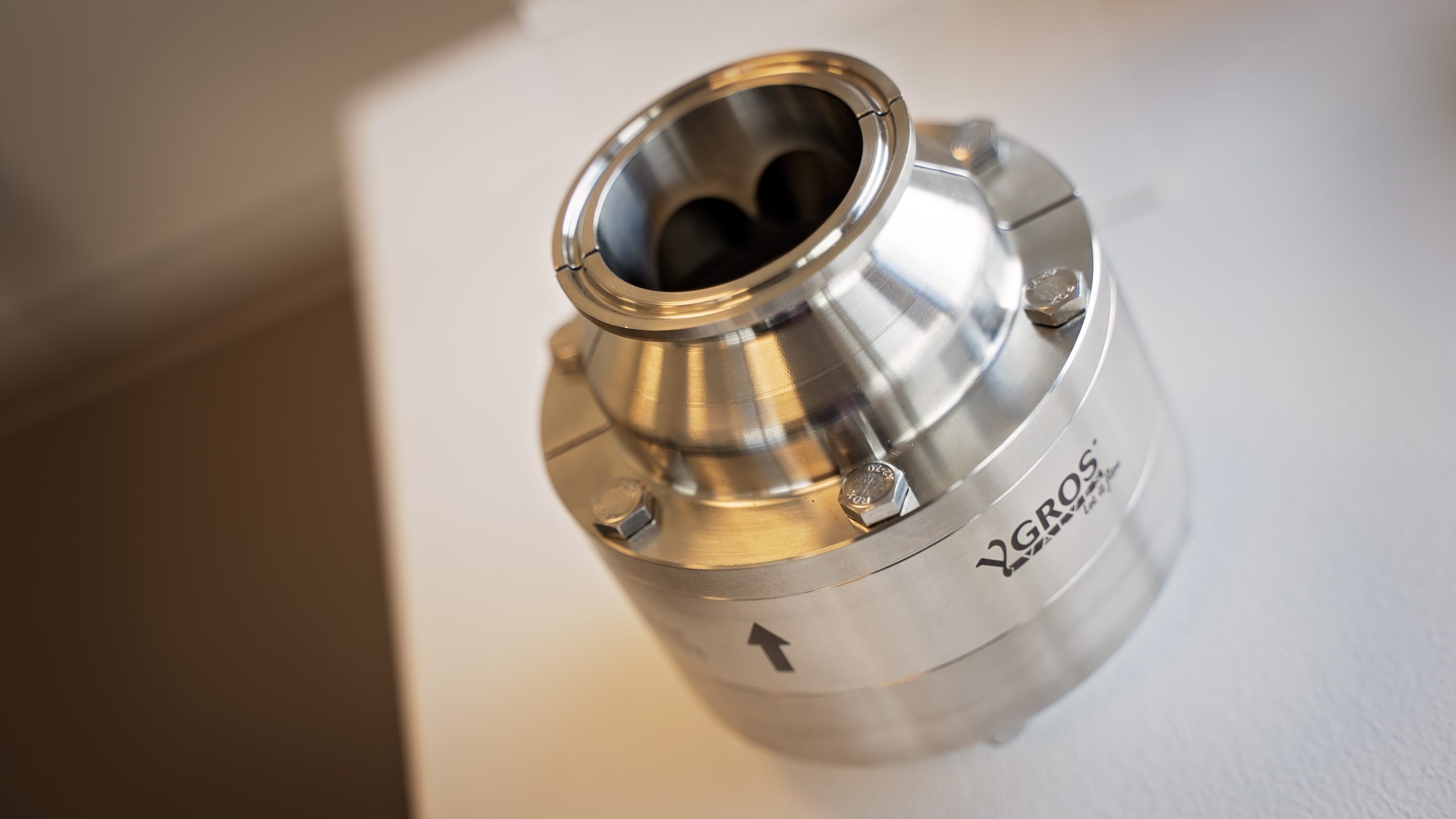
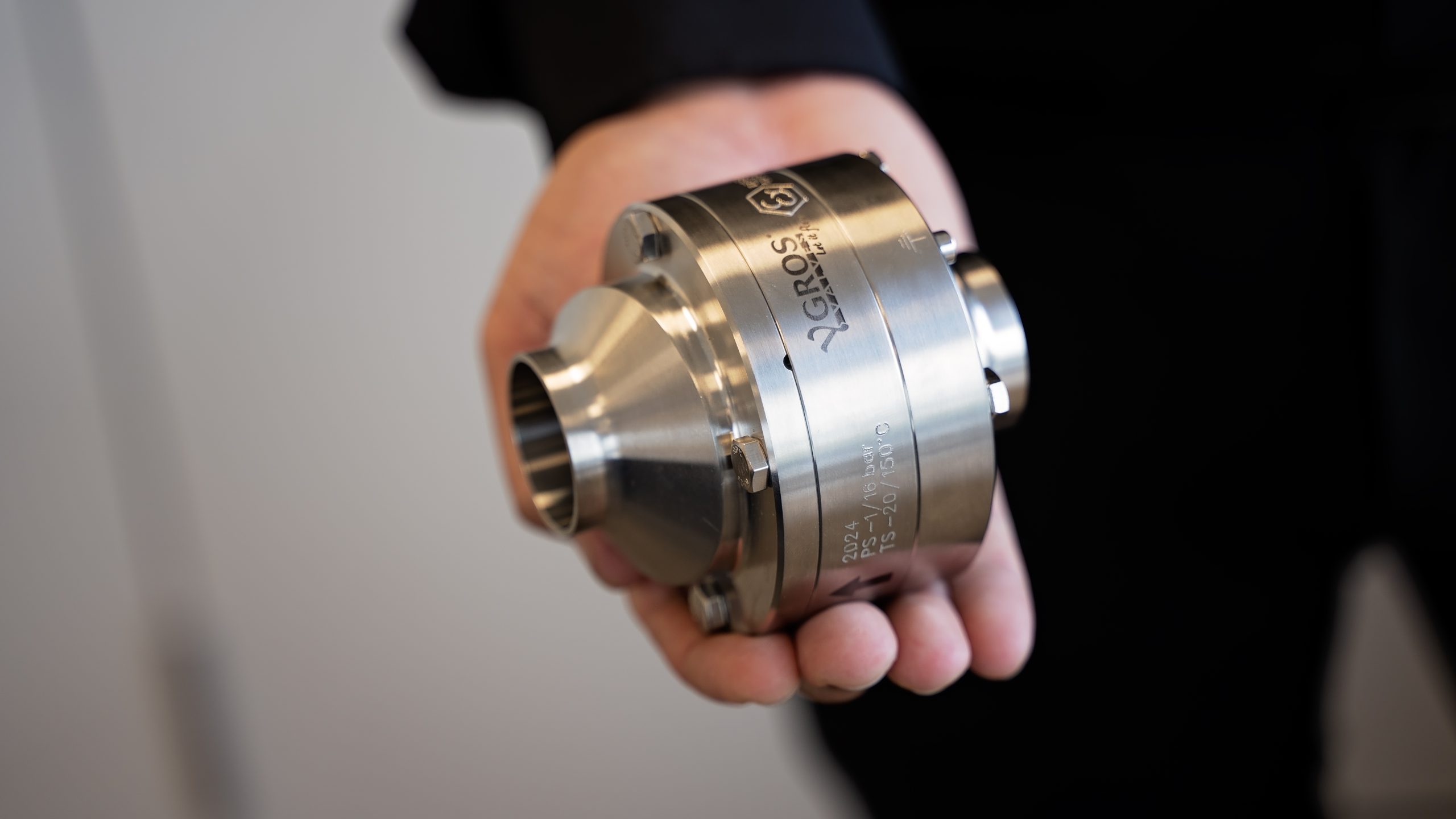
Alflow proposed replacing the traditional check valves with magnetic check valves from Ygros.

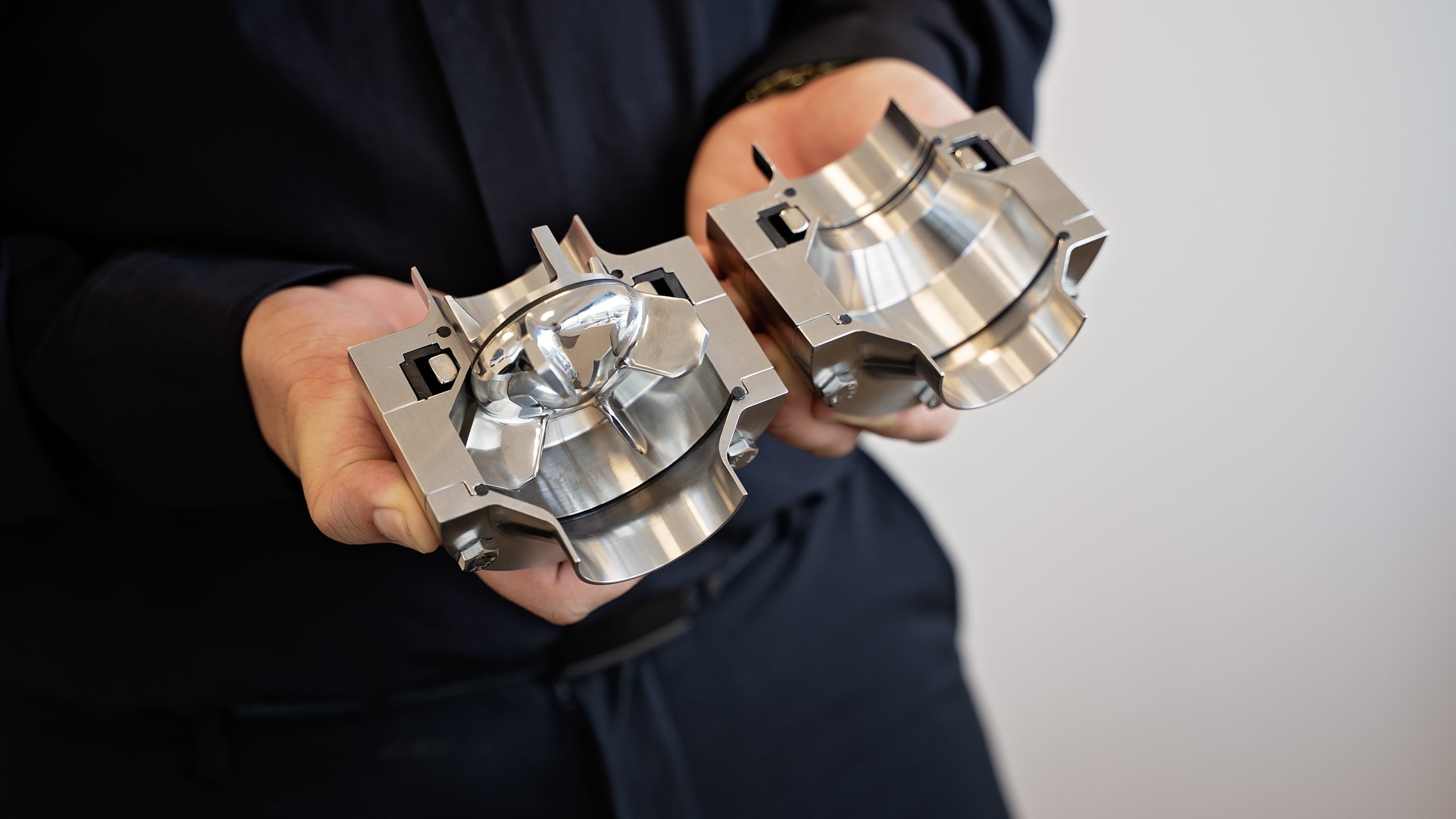
Unlike traditional check valves, Ygros uses a patented magnetic closing mechanism instead of a mechanical spring. This eliminates the risk of spring breakage and the potential contamination that a break could cause.

However, the solution had one challenge: The magnetic valves had a higher purchase price than the existing ones.

Therefore, it was necessary to look at more than just the component price itself.

In dialogue with the customer, the total cost of ownership (TCO) was assessed. Here, the higher acquisition price was compared with the ongoing costs of preventive maintenance, spare parts, and the resources required by the maintenance routines.

Based on the overall TCO assessment, the customer chose to test with a few Ygros valves in its system. The overall result convinced the customer, and they subsequently decided to replace the traditional countervalves with magnetic ones from Ygros in the rest of the system.

Instead of continuously dealing with the consequences of a potential error, the source of the risk itself was removed.
The right solution is not necessarily the cheapest component

The case shows why the choice of process components should be evaluated based on their overall significance for production.
Although the magnetic check valves had a higher purchase price, the overall TCO assessment showed that the solution made sense for the customer.
It wasn’t just about choosing a different valve, but about reducing a persistent risk and the resources that were previously used to manage it.
For the customer, this meant a simpler maintenance strategy and fewer potential sources of errors in the production facility.
Sometimes the value is not in the component price itself, but in all the work and risks that can be avoided through the component's lifetime.

1126_Ygros_04
1126_Ygros_03

THE RESULT

From semi-annual spring replacement to inspection every two years

With the magnetic control valves, the customer has been able to significantly change its maintenance strategy.
Whereas the springs were previously replaced every six months, now the inspection of the valves is carried out every two years.

This has resulted in several concrete benefits:

  • Fewer maintenance interventions: The need for the recurring spring replacement is eliminated.
  • Lower resource consumption: Fewer hours are spent on scheduled maintenance and handling of spare parts for these components.
  • Reduced inventory holding: The need to have spare parts available has been reduced.
  • Less administrative burden: Fewer maintenance activities also reduce the workload for planning and QA.
  • Reduced risk of contamination: The specific risk of spring breakage and metal fragments has been eliminated.

Contact

Would you like to hear more about Ygros' patented magnetic check valves? At Alflow, we provide technical advice and help you choose the components that best suit your individual process.
JBS_Jacob_Sommerlund
Jacob Sommerlund
Area Sales Manager - Pharma & Biotech - Multi-Use Solutions DK
MHV
Mathias Haahr Vester
Junior Sales Engineer - Pharma & Biotech - Multi-Use Solutions DK