Less intervention, less risk – smarter valve solutions
From replacing the springs every six months to inspecting them every two years.
How can the risk of contamination from a component that is present almost 100 times in the same production facility be reduced?
For a customer in the pharmaceutical industry, traditional spring-loaded check valves had become a time-consuming maintenance task. Although the valves were functioning, they required regular replacement of the springs to minimize the risk of breakage and potential contamination.
In collaboration with Alflow, the customer found a solution that not only changed the maintenance routines but also eliminated the very risk of spring failure.
A springless design that removes the cause of the problem
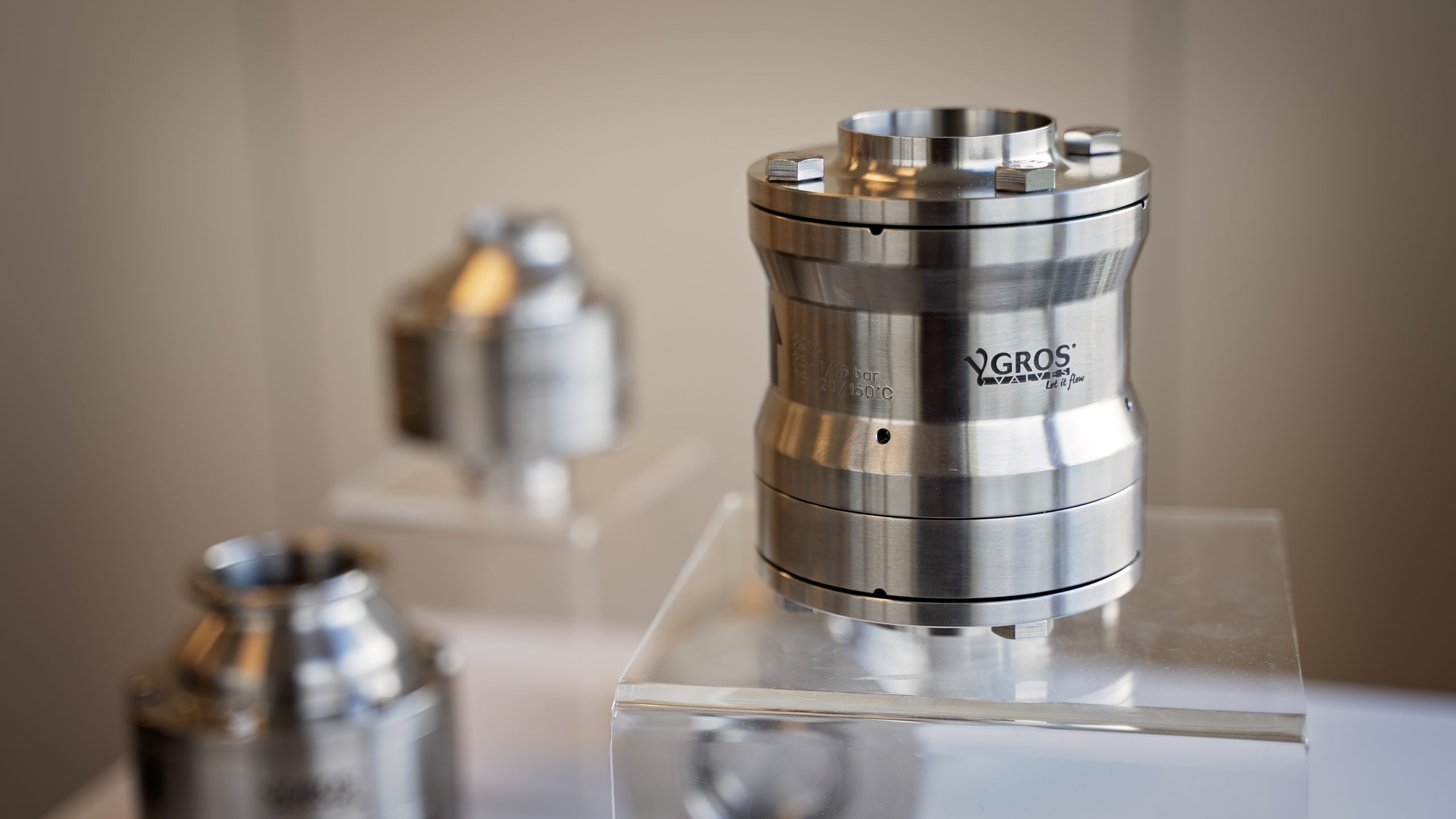
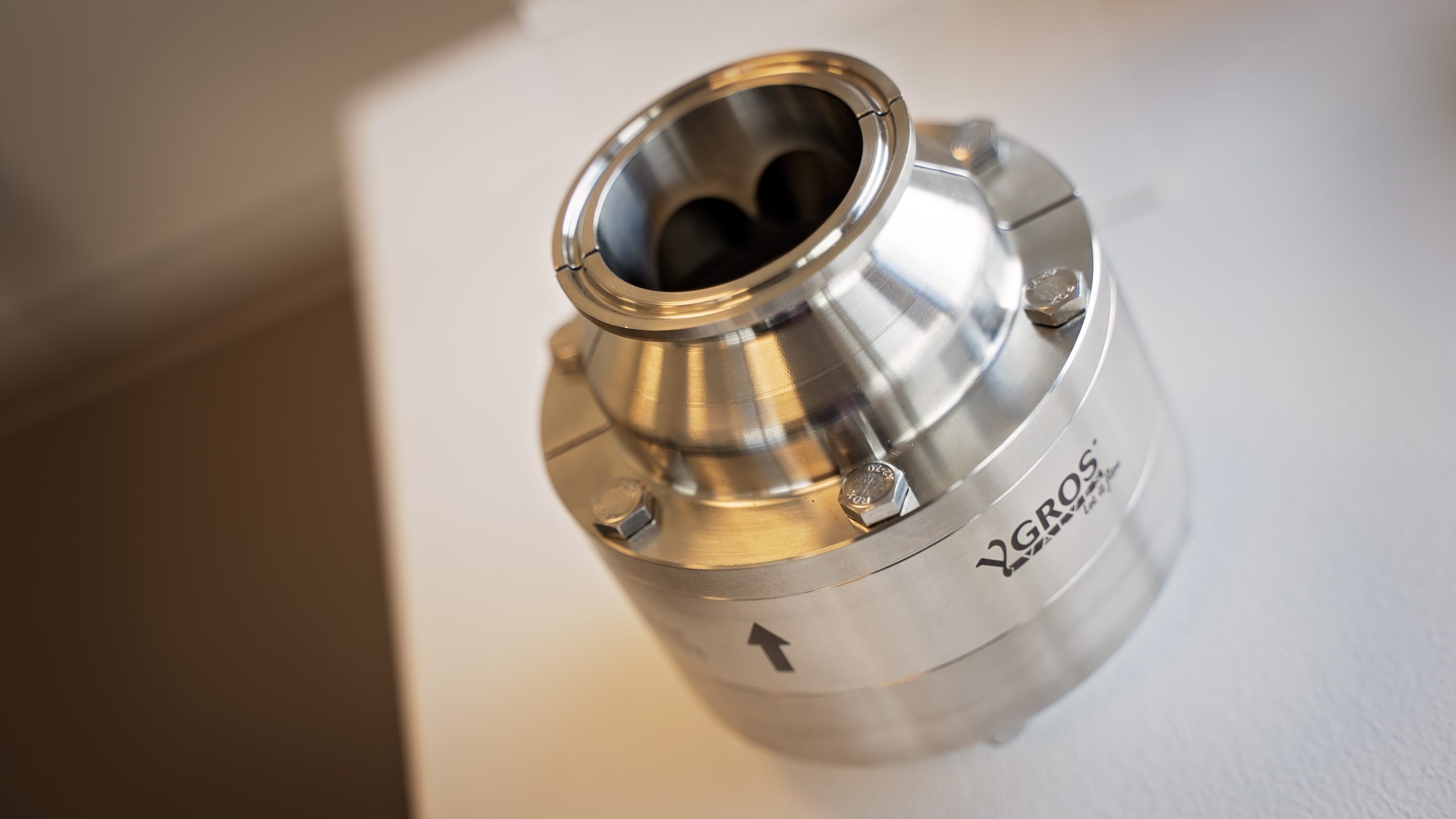
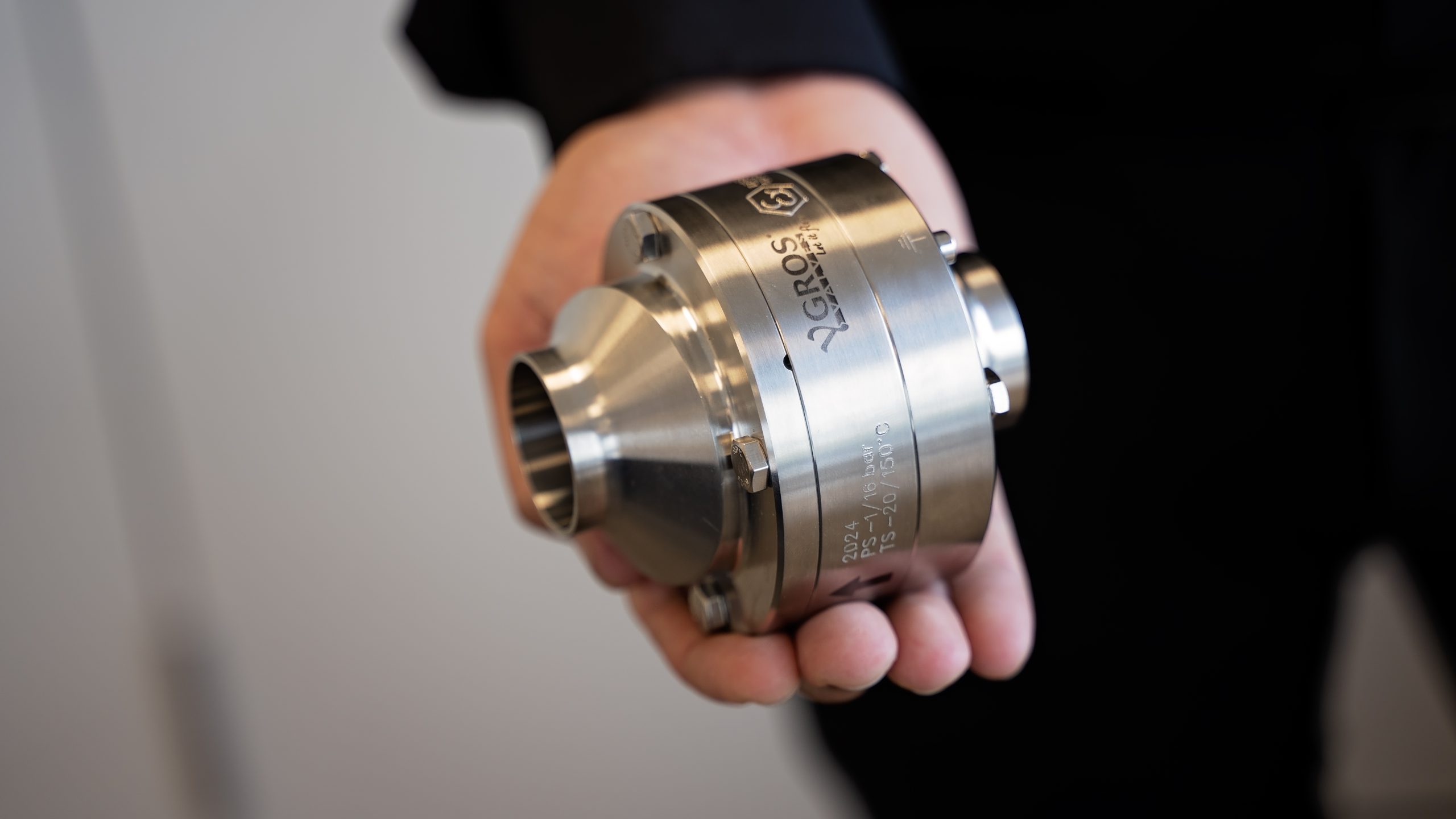
Alflow proposed replacing the traditional check valves with magnetic check valves from Ygros.
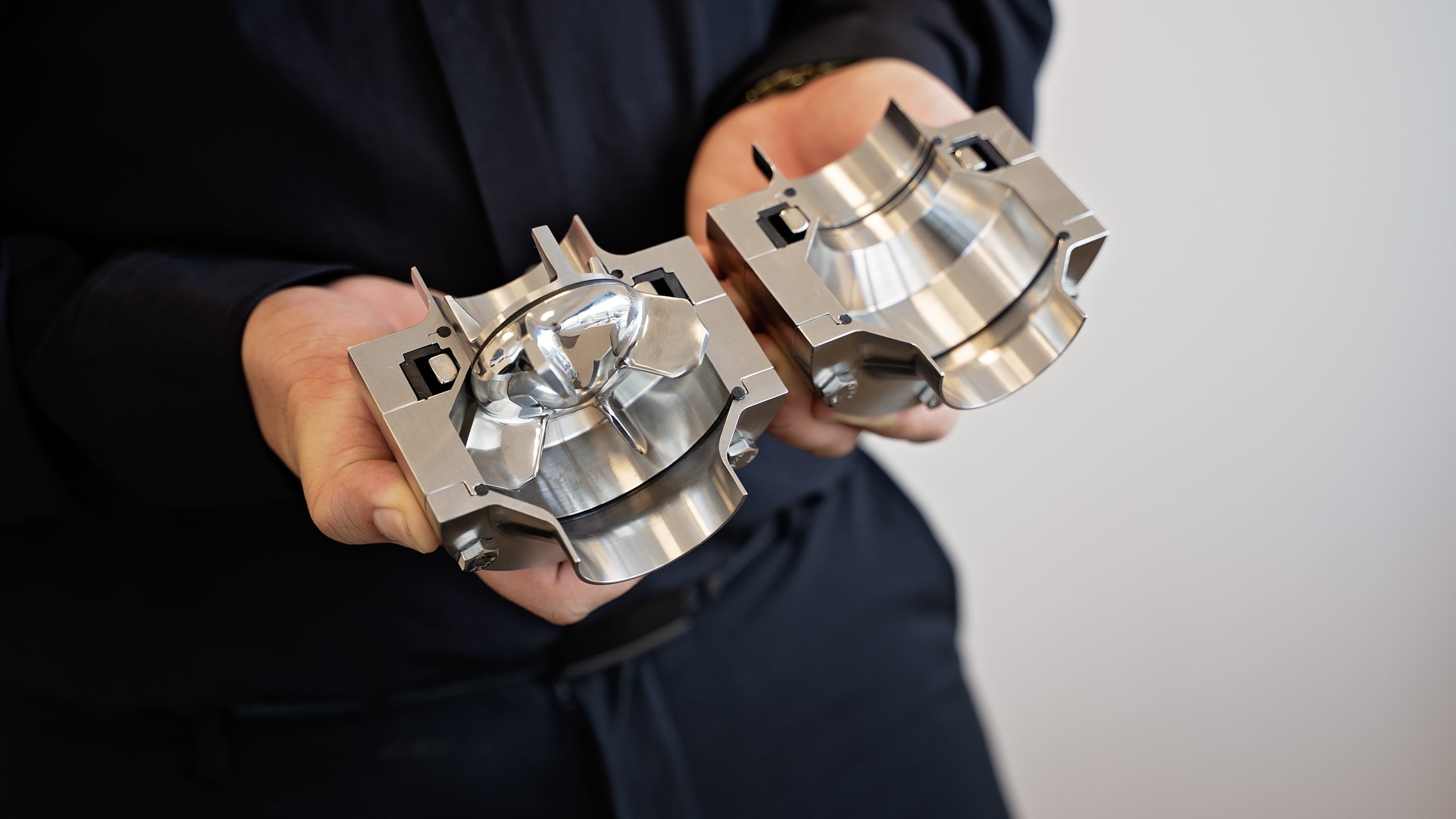
Unlike traditional check valves, Ygros uses a patented magnetic closing mechanism instead of a mechanical spring. This eliminates the risk of spring breakage and the potential contamination that a break could cause.
However, the solution had one challenge: The magnetic valves had a higher purchase price than the existing ones.
Therefore, it was necessary to look at more than just the component price itself.
In dialogue with the customer, the total cost of ownership (TCO) was assessed. Here, the higher acquisition price was compared with the ongoing costs of preventive maintenance, spare parts, and the resources required by the maintenance routines.
Based on the overall TCO assessment, the customer chose to test with a few Ygros valves in its system. The overall result convinced the customer, and they subsequently decided to replace the traditional countervalves with magnetic ones from Ygros in the rest of the system.
Instead of continuously dealing with the consequences of a potential error, the source of the risk itself was removed.
Contact




Case studies